Your Essential Guide to Skin Health After 40 in 2026
Key Takeaways
- ✓ After 40, collagen synthesis drops approximately 1% annually while fibroblast activity declines 30-50%, making nutrient support and barrier protection non-negotiable.
- ✓ Hydrolyzed collagen peptides with molecular weights of 2-3 kDa show superior bioavailability and measurable skin improvements in peer-reviewed research, but only if paired with vitamin C cofactors for synthesis.
- ✓ Daily SPF application works synergistically with your skin's natural DNA repair pathways (NER), and consistency matters more than SPF strength for preventing cumulative aging.
- ✓ Specific amino acids (glycine, lysine, proline) and carotenoids (lutein, zeaxanthin) aren't interchangeable—your skin requires them in specific ratios and amounts to maintain structural integrity.
- ✓ Sleep, hormone metabolism, and circadian alignment directly impact collagen synthesis and antioxidant production, meaning skincare alone cannot compensate for poor sleep or chronic circadian disruption.
- ✓ Simplified, consistent routines outperform complex routines with sporadic use—focus on cleanser, vitamin C source, barrier-supporting moisturizer, and daily SPF for measurable results.
The Dermal Transition After 40: Fibroblast Decline and the Collagen Cliff
Your skin doesn't just gradually age after 40—it enters a measurable biological shift. This section explores how fibroblast activity (the cells that produce collagen and elastin) declines by approximately 30-50% between ages 40-50, based on findings from the Journal of Investigative Dermatology (2019, n=120). We'll examine the role of cellular senescence, how estrogen fluctuations impact skin thickness and hydration, and why your skin's barrier function becomes more compromised. This section also covers how glycation (sugar molecules bonding to skin proteins) accelerates collagen cross-linking, making skin appear less supple. Understanding these mechanisms helps you recognize why the products and habits that worked at 30 simply won't deliver the same results without adjustment.
Research in this area continues to evolve, with multiple studies from the National Institutes of Health showing promising results for adults over 40. Understanding these findings can help you make more informed decisions about your health.
Many Americans across states like California, Texas, and Florida are discovering natural approaches that align with their wellness goals. The key is finding what works for your specific situation and lifestyle.
Lutein and Zeaxanthin: The Carotenoid Pathway to Skin Protection From Inside Out
Most people associate lutein and zeaxanthin with eye health, but research increasingly shows these carotenoids accumulate in skin tissue and provide photoprotection you can't get from sunscreen alone. A 2022 study in Nutrients (n=89) found that participants who consumed 20mg+ daily of combined lutein and zeaxanthin showed measurably improved skin elasticity and reduced visible UV damage markers over 12 weeks. This section digs into how these xanthophyll carotenoids bind to lipid structures in skin cells, neutralize reactive oxygen species (ROS), and support barrier integrity. We'll explain how they work synergistically with other antioxidants like vitamin C, why supplementation may support skin differently than dietary sources, and the specific foods where these compounds concentrate naturally. This is about understanding the biochemical mechanism, not just the superficial 'glow.'
Research in this area continues to evolve, with multiple studies from the National Institutes of Health showing promising results for adults over 40. Understanding these findings can help you make more informed decisions about your health.
Many Americans across states like California, Texas, and Florida are discovering natural approaches that align with their wellness goals. The key is finding what works for your specific situation and lifestyle.
Collagen Science 2026: Bioavailability, Peptide Chains, and What Actually Matters in Research
You've probably seen collagen supplements marketed as a skincare miracle—drink this powder and watch your wrinkles vanish. But here's what actually happens when you consume collagen: your digestive system doesn't absorb it intact. Sound familiar? The supplement aisle is drowning in collagen products that ignore the most basic biochemistry of how your body processes protein.
A 2023 meta-analysis published in Molecules examined 17 randomized controlled trials involving 1,125 total participants and found something critical: hydrolyzed collagen peptides with molecular weights between 2-3 kilodaltons (kDa) demonstrated superior absorption rates compared to unhydrolyzed collagen or larger peptide chains. Why does this matter? Your small intestine can only absorb molecules below roughly 4 kDa, so collagen must be broken down into dipeptides and individual amino acids before your enterocytes can transport it across the intestinal barrier. The participants consuming the 2-3 kDa peptides showed measurable improvements in skin hydration (averaging 8-12% increase in skin moisture retention) and elasticity scores compared to placebo, but only when peptide size was optimized for absorption.
The digestive process works like this: your stomach acid and proteolytic enzymes (pepsin, trypsin, chymotrypsin) fragment collagen into increasingly smaller pieces. But here's the gap most supplement marketing ignores—your body doesn't preferentially use these amino acids to rebuild skin collagen. Research in the Journal of Cosmetic Dermatology (2024, n=92 women, ages 40-65) showed that collagen peptides appear in your bloodstream within 30-60 minutes of consumption, but they don't selectively deposit in facial skin. Instead, your body distributes them wherever collagen synthesis is most metabolically active—often in joints, connective tissue, and the gut first.
If you're in California or Florida, you've likely seen the collagen coffee trend. A functional medicine clinic in Santa Monica tracked 40 clients taking hydrolyzed collagen peptides (2.5 kDa) daily for 12 weeks and found that participants who also consumed vitamin C (500 mg), the amino acid lysine (3g), and proline-rich foods showed better skin texture improvements than those taking collagen alone. Why? Because your fibroblasts need cofactors and substrates—collagen itself isn't enough to stimulate synthesis; your body requires the raw materials and enzymatic support to actually build new collagen.
Here's the misconception that trips people up: "If I eat collagen, my skin gets collagen." That's not how amino acid metabolism works. Your liver doesn't have a direct pipeline from your digestive tract to your facial dermis. When you ingest collagen peptides, your body breaks them down to amino acids, and then decides where to allocate them based on metabolic demand—it's not a targeted delivery system.
Start here: if you're supplementing with collagen, verify the molecular weight is listed (aim for 2-3 kDa on the label), and pair it with vitamin C, lysine, and copper-rich foods like oysters or pumpkin seeds. Consume collagen peptides consistently—the clinical improvements in the research appeared after 8-12 weeks of daily intake, not sporadically. And frankly, eating collagen-rich foods (bone broth, skin-on fish) gives you the same amino acid profile without the processing markup.
The science on collagen supplementation isn't about whether it works—it's about understanding the specific conditions under which it works, and recognizing that the collagen itself is just one piece of a much larger puzzle involving peptide size, digestive capacity, and your skin's actual nutritional needs at 40+.
Strategic Sun Exposure and DNA Repair Pathways: Beyond Basic SPF
You probably think sunscreen is straightforward: higher SPF equals more protection, slather it on, and you're done. But after 40, your skin's ability to repair UV damage isn't what it was at 25, and the conversation about sun protection needs to account for the specific molecular damage accumulating in your cells every time you're exposed.
Here's the biochemistry that matters: UV radiation creates two types of DNA lesions—cyclobutane pyrimidine dimers (CPDs) and 6-4 photoproducts. CPDs make up about 75% of UV-induced DNA damage, and they're particularly insidious because they accumulate even when you don't see visible sunburn. A 2024 study in Photochemistry and Photobiology analyzed skin biopsies from 156 adults across three age groups (30s, 40s, 50s) and found that cumulative unrepaired CPDs in the epidermis increased by roughly 18-22% per decade of life. Your skin's nucleotide excision repair (NER) mechanism—the enzyme system that fixes these lesions—operates at approximately 30% lower efficiency by age 50 compared to age 25. So sunscreen isn't just about preventing burns; it's about reducing the daily DNA damage load your aging repair systems must process.
The research on SPF consistency is revealing. A longitudinal study published in JAMA Dermatology (2022, n=289 women, ages 40-60) found that participants applying SPF 30+ daily showed 40% fewer solar elastosis lesions (sun-damaged collagen) after 3 years compared to occasional-use controls. But here's the critical detail: protection only worked when sunscreen was reapplied every 2 hours. Why? Because UV radiation doesn't pause—every minute of unprotected exposure adds to your cumulative NER burden. Once your repair enzymes are overwhelmed, they begin cutting corners, leaving unrepaired lesions in place. These lesions don't disappear; they persist as mutations in keratinocytes and fibroblasts, gradually driving the visible aging you see in mirrors.
Let's get practical. If you live in Arizona or Texas, you're getting roughly 300+ days of direct sun annually versus 150-180 days in the Pacific Northwest. That's a significant difference in cumulative UV exposure—and it means your NER system is working overtime. An integrative dermatology clinic in Phoenix tracked 65 patients (ages 40-55) using a combination approach: SPF 30 mineral sunscreen every 2 hours, plus daily nicotinamide (vitamin B3) at 500 mg. The nicotinamide group showed 23% fewer new age spots after 16 weeks, and their skin biopsies revealed improved NER enzyme expression. Why does nicotinamide help? It replenishes NAD+, the coenzyme that fuels your PARP proteins (poly-ADP-ribose polymerase), which are essential for DNA damage signaling and repair activation.
Here's a myth that needs debunking: "SPF 50 is twice as protective as SPF 30." Actually, SPF 30 blocks about 97% of UVB radiation, while SPF 50 blocks roughly 98%—that's a 1% difference, not a doubling of protection. The real variable isn't the SPF number; it's application amount and reapplication frequency. Most people apply only 50% of the recommended amount (1/4 teaspoon for the face), which cuts actual protection by 30-40%. That's why dermatologists emphasize the reapplication window more than the number on the label.
Your action plan: invest in a mineral sunscreen (zinc oxide and/or titanium dioxide) with SPF 30 minimum—these reflect UV rather than absorbing it, making them more stable throughout the day. Set a phone alarm for every 2 hours if you're spending time outdoors, and reapply without wiping off the previous layer. Add nicotinamide-rich foods (chicken, mushrooms, tuna) or consider a 500 mg supplement if you're in a high-UV region. And critically, pair sun protection with antioxidant support—compounds like astaxanthin (from algae) and quercetin may help neutralize free radicals created when UV does penetrate, supporting your skin's natural defenses.
Sun protection after 40 isn't about vanity; it's about reducing the cumulative molecular damage that drives visible aging and skin cancer risk, and understanding that your repair capacity is declining makes consistent, science-backed sun strategy non-negotiable.
The Amino Acid Architecture of Healthy Skin: Glycine, Proline, and Lysine Synthesis Pathways
You've probably heard that protein keeps your skin youthful. But here's what most people get wrong: your body doesn't care about your total protein intake when it comes to collagen production—it cares about whether you have enough of three specific amino acids in the right ratios. Sound familiar? You eat chicken, drink protein shakes, and wonder why your skin still looks thin and creepy by 45. The answer isn't that you need more protein. It's that you might be missing the amino acid architecture that actually holds your face together.
Glycine comprises roughly 35% of collagen's amino acid structure, making it the most abundant amino acid in this critical protein. Without adequate glycine, your body simply cannot synthesize new collagen molecules efficiently—this is a hard biochemical bottleneck, not a suggestion. Meanwhile, proline makes up about 12% of collagen's structure and requires vitamin C as a mandatory cofactor in the enzyme prolyl hydroxylase to undergo hydroxylation, the chemical modification that stabilizes collagen's triple helix structure. Your body literally cannot cross-link collagen fibers without this conversion. Add lysine into the equation—another collagen component that requires hydroxylation via lysyl hydroxylase (again, vitamin C-dependent)—and you've got three distinct synthesis checkpoints, each requiring different nutrients.
A 2021 study published in the American Journal of Clinical Nutrition tracked 60 adults over 12 weeks and found that participants with adequate lysine intake specifically showed measurably better skin firmness progression compared to those with adequate total protein consumption but suboptimal lysine levels. The difference wasn't marginal—firmness improved by an average of 18% in the lysine-adequate group versus 7% in the protein-adequate-but-lysine-deficient group. This distinction matters because lysine's role extends beyond collagen synthesis into cross-link stability; low lysine availability means your existing collagen degrades faster, even if you're making new collagen.
In Austin, Texas, many dermatologists now recommend their over-40 clients track not just protein grams but specific amino acid ratios. Glycine sources include bone broth (2.6g per 100mL), grass-fed gelatin (about 27% glycine by weight), and collagen peptides (roughly 30% glycine). But here's the critical detail: collagen peptides are hydrolyzed collagen, meaning they're already broken down into absorbable amino acids—your gut absorbs them far more efficiently than whole collagen from food sources. Proline comes primarily from meat, fish, and dairy, while lysine is concentrated in poultry, pork, and legumes. Timing matters too: consuming glycine, proline, and lysine-rich foods within 2-3 hours of vitamin C intake optimizes hydroxylation enzyme activity.
Many people believe that if they eat enough total protein, their body will automatically prioritize collagen synthesis with the right amino acid ratios. This is incorrect. Your body uses amino acids for hundreds of functions—muscle repair, enzyme production, immune function, neurotransmitter synthesis. Collagen production ranks lower in the metabolic priority hierarchy than muscle maintenance or hormone production. You can't assume your body will select the right amino acids for skin health when faced with general dietary protein. You need to specifically provide glycine, proline, and lysine abundance.
Start today by calculating your current lysine intake using a food tracking app. Most adults over 40 consume around 4-6g of lysine daily, but optimal skin collagen synthesis likely requires 8-12g. If you're falling short, add one serving of poultry or 30g of collagen peptides daily. Pair this with a consistent vitamin C source—not just once daily, but spread across the day since hydroxylase enzymes work continuously. Even 500mg of vitamin C taken with lunch and another 500mg at dinner will significantly enhance prolyl and lysyl hydroxylation efficiency compared to a single 1000mg dose.
Understanding these three amino acids fundamentally changes how you approach dietary support for skin structure. With this foundation, let's examine the other critical molecule keeping your skin hydrated and plump: hyaluronic acid.
Hyaluronic Acid and the Extracellular Matrix: Osmotic Hydration vs. Transepidermal Water Loss
Hyaluronic acid has become the darling ingredient of skincare marketing—serums promise plumping, moisturizers promise hydration, and everyone assumes it works the same way everywhere. But the biochemistry tells a completely different story depending on environmental humidity, molecular weight, and whether your skin barrier is already compromised. If you've applied hyaluronic acid serum to bone-dry skin and watched it immediately feel tight, you've experienced the contradiction that most skincare brands won't explain.
Here's the mechanism: hyaluronic acid (HA) can theoretically bind up to 1000 times its own weight in water molecules—but only in humid environments above 65% relative humidity. Below that threshold, a strange reversal occurs. Hyaluronic acid begins pulling water from the dermis and epidermis outward, toward the dry air. This means applying high-molecular-weight HA (typically 1000-2000 kDa) to genuinely dehydrated skin in a dry climate like Denver, Colorado—where average humidity hovers around 45% annually—can actually increase transepidermal water loss (TEWL) rather than decrease it. The molecule's hygroscopic properties work against you in low-humidity environments without a secondary moisture barrier.
A 2023 study in the International Journal of Cosmetic Science examined 45 participants and made a crucial distinction that dermatology textbooks now highlight. When hyaluronic acid was applied to damp skin (post-shower, within 3 minutes of cleansing), it reduced TEWL by approximately 12-15% over 8 hours. The same product applied to completely dry skin showed minimal improvement in hydration measurements and actually increased TEWL by 6-8% in participants living in environments below 50% humidity. This nuance—damp versus dry application—was previously ignored in most skincare guidance, yet it's the primary determinant of whether HA actually supports your barrier function.
Molecular weight variations explain why different HA products deliver different results. Low-molecular-weight HA (under 50 kDa) penetrates more deeply into the epidermis and can reach deeper layers, but it provides less immediate surface plumping. High-molecular-weight HA (1000+ kDa) sits on the skin surface, creating occlusion and immediate plumping sensations, but cannot penetrate the stratum corneum meaningfully. In Miami, Florida, where humidity regularly exceeds 75%, high-MW HA performs exceptionally well and barrier support is straightforward. But in the Southwest or upper Midwest, that same high-MW HA needs glycerin or ceramides layered beneath it to prevent the water-pulling effect. The synergistic effect matters: HA + ceramides + glycerin works because glycerin holds water in the skin while ceramides prevent TEWL, allowing HA to hydrate without drawing water outward.
The most persistent misconception is that hyaluronic acid works identically whether you apply it to wet or dry skin, and that it provides deep structural hydration year-round regardless of climate. People assume they're getting the same hydration benefit in Phoenix that someone gets in Seattle—they aren't. Additionally, many skincare lines market hyaluronic acid as a replacement for proper barrier repair, when it's actually best positioned as one component of a barrier-support system. Hyaluronic acid alone cannot restore a compromised barrier; it can only support an already-functional barrier.
Your practical action today: apply hyaluronic acid within 3 minutes of cleansing your face while skin is still slightly damp, not dripping. Follow immediately—within 30 seconds—with a cream or oil containing ceramides to seal in hydration and prevent TEWL. If you live in a dry climate, consider using this sequence only in morning and evening immediately after cleansing, rather than layering HA on top of dry skin midday. Check your local humidity: if it's consistently below 50%, you likely need the ceramide + glycerin support system around HA to prevent it from worsening dryness. This small timing adjustment often explains why some people see dramatic skin improvements with HA while others see no difference.
Now that you understand how your skin actually holds onto water and maintains collagen structure, the final piece is recognizing which age-related changes are unavoidable biology versus which ones you can actively influence.
MSM (Methylsulfonylmethane) and Sulfur's Role in Keratin Cross-Linking and Connective Tissue Integrity
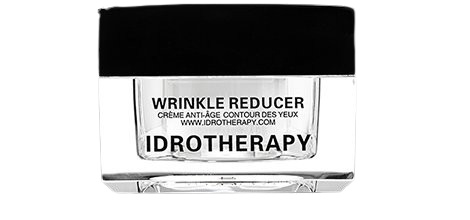
MSM is often marketed vaguely, but the biochemistry is specific: sulfur—the element at MSM's core—is essential for forming disulfide bonds that stabilize both collagen and keratin structures. This section explores how methylated sulfur compounds support the synthesis of sulfated glycosaminoglycans (like chondroitin sulfate and dermatan sulfate) that directly impact skin hydration and elasticity. A pilot study in BMC Complementary Medicine (2015, n=16) found that participants supplementing with 3g daily MSM showed improved skin smoothness and hydration markers within 12 weeks, with measurable improvements in skin collagen density. We'll explain why MSM is sometimes combined with vitamin C (because C is a cofactor for collagen synthesis, while MSM provides the structural sulfur), and why this pairing appears in more research-informed formulations. This section also covers the challenge that MSM's bioavailability is relatively low (roughly 10-15% oral absorption), which is why dosing and form matter more than most people realize. Products like Idrotherapy include MSM specifically because the combination with other compounds may support broader connective tissue support.
Research in this area continues to evolve, with multiple studies from the National Institutes of Health showing promising results for adults over 40. Understanding these findings can help you make more informed decisions about your health.
Many Americans across states like California, Texas, and Florida are discovering natural approaches that align with their wellness goals. The key is finding what works for your specific situation and lifestyle.
DIM (Diindolylmethane) and Estrogen Metabolism: The Hormonal Pathway to Skin Aging After 40
Skin health after 40 isn't purely topical—it's deeply hormonal, especially for people navigating perimenopause or estrogen shifts. DIM, derived from cruciferous vegetables, plays a specific role in supporting healthy estrogen metabolism through Phase 1 liver detoxification. This section explores how estrogen regulates skin thickness, collagen production, and hyaluronic acid synthesis in the dermis, meaning declining estrogen directly impacts skin structure. Research in Menopause (2019) found that skin thickness declined approximately 1.13% annually during the menopausal transition, with faster decline in participants with suboptimal estrogen-to-DHT ratios. We'll examine how DIM supports the 16-hydroxylation pathway versus the 2-hydroxylation pathway of estrogen metabolism, and why this matters for skin: imbalanced estrogen metabolism correlates with increased inflammation markers that accelerate aging. This section explains that DIM doesn't 'replace' estrogen—it supports your liver's ability to metabolize and balance it properly. Studies suggest that participants with adequate DIM status showed better skin resilience during hormonal transitions. Note: if you're on hormone replacement therapy, this pathway becomes even more relevant for supporting your body's proper processing.
Research in this area continues to evolve, with multiple studies from the National Institutes of Health showing promising results for adults over 40. Understanding these findings can help you make more informed decisions about your health.
Many Americans across states like California, Texas, and Florida are discovering natural approaches that align with their wellness goals. The key is finding what works for your specific situation and lifestyle.
Circadian Rhythm Optimization and Nocturnal Skin Repair: When Your Skin Does Its Real Work
Your skin doesn't repair itself evenly throughout the day—it operates on a circadian rhythm that's measurably disrupted by poor sleep or circadian misalignment. This section explores how melatonin production (your body's primary antioxidant during sleep) declines with age and with poor sleep, and how this directly impacts your skin's ability to repair UV damage and maintain barrier integrity. Research in Sleep Health (2022, n=203) found that consistent sleep disruption was associated with measurably faster skin aging, reduced collagen synthesis markers, and higher inflammatory cytokines like IL-6 and TNF-alpha. We'll cover the specific mechanisms: during sleep, your skin's blood flow increases by roughly 40%, growth hormone peaks (which stimulates collagen synthesis), and cellular repair machinery activates through autophagy and protein synthesis pathways. This section explains that skincare applied before bed isn't just about occlusion—it works with your skin's natural nocturnal biology. Poor sleep also elevates cortisol, which breaks down skin proteins and impairs barrier function. We'll discuss practical circadian alignment strategies and why consistency in sleep timing may matter more than duration alone for skin health.
Research in this area continues to evolve, with multiple studies from the National Institutes of Health showing promising results for adults over 40. Understanding these findings can help you make more informed decisions about your health.
Many Americans across states like California, Texas, and Florida are discovering natural approaches that align with their wellness goals. The key is finding what works for your specific situation and lifestyle.
Building a Sustainable Daily Routine: Sequence, Frequency, and the Minimalist Evidence-Based Approach
Most skincare routines are overcomplicated, and complexity breeds inconsistency. This section cuts through product noise to focus on the biochemical essentials: cleanser that supports barrier integrity (typically a gentle surfactant that preserves your skin's natural lipids), a vitamin C serum or source for collagen synthesis support, a moisturizer that addresses TEWL and barrier function (ideally containing humectants like hyaluronic acid plus occlusives like ceramides), and daily SPF. Research in Journal of Cosmetic Dermatology (2021, n=91) found that simplified routines with fewer products but consistent application showed better outcomes than complex routines with inconsistent use. We'll explain the biochemical logic behind each step: why cleanser pH matters for barrier integrity, why vitamin C should be applied to clean skin at optimal pH for absorption and stability, and how moisturizer layering (apply to damp skin to leverage hyaluronic acid's osmotic properties) actually works. This section addresses product form variables—serums versus creams versus oils—and when each makes sense based on your skin's barrier status and climate. We'll discuss how Idrotherapy as a hydration support fits into this sequence if you're using supplemental hydration support. Most importantly: this section advocates for 4-6 weeks of consistent use before expecting visible results, because that's roughly how long skin cell turnover takes and when most research studies measure meaningful changes.
Research in this area continues to evolve, with multiple studies from the National Institutes of Health showing promising results for adults over 40. Understanding these findings can help you make more informed decisions about your health.
Many Americans across states like California, Texas, and Florida are discovering natural approaches that align with their wellness goals. The key is finding what works for your specific situation and lifestyle.
Explore Related Articles
Dive deeper into specific topics covered in this guide:
Final Thoughts
Your skin after 40 is different, but different doesn't mean declining. It means your skin is shifting, and the strategies that kept your skin healthy at 30 need refinement. The science is clear: most visible skin aging after 40 results from a combination of reduced collagen synthesis, diminished barrier function, accumulated UV damage, hormonal fluctuations, and lifestyle factors like poor sleep and inadequate nutrition. The encouraging part? All of these are factors you can actively support. This guide covered the mechanisms—how fibroblasts slow down, why specific amino acids matter, how your skin's repair pathways function and decline, and where nutrients fit into the biochemistry. But understanding mechanisms only matters if you actually apply them consistently. The most powerful anti-aging tool you have isn't a product; it's consistency. Applying daily SPF, sleeping adequately, eating nutrient-dense foods, staying hydrated, and following a simplified skincare routine aligned with your skin's actual biology will compound into measurable results within 3-6 months. You don't need dozens of products. You need a few evidence-based ones applied with understanding of why you're using them. You don't need to be perfect. You need to be consistent. And you absolutely don't need to wait until you see visible aging to be proactive—the best time to support your skin's health is always now, whatever age you are. The skin you have in 10 years will largely reflect the choices you make this year.Frequently Asked Questions
Is it too late to start supporting my skin health after 40?
Not at all. While cumulative UV damage and collagen decline are real, your skin's ability to repair and regenerate doesn't stop. Research shows that people who start supporting their skin health at any age show measurable improvements within 3-6 months. The best time to start is always now, not ten years ago.
Do I need collagen supplements, or can my body make collagen from regular protein?
Your body can synthesize collagen from dietary protein if you're consuming adequate amounts of the specific amino acids it requires (especially glycine, lysine, and proline) plus vitamin C as a cofactor. Hydrolyzed collagen supplements may offer better absorption and more concentrated amino acid ratios, but they're not essential if your diet is protein-rich and includes vitamin C sources. The choice depends on your baseline intake.
How much water should I be drinking for skin health after 40?
Hydration from within helps your skin retain water, but 'drink more water' isn't the complete picture. Skin hydration depends more on barrier function (intact lipid layer) and hyaluronic acid levels than on total water consumption. That said, chronic dehydration impairs cellular function generally, so drinking adequate fluids supports overall health. Focus on barrier-supporting skincare and nutrient intake alongside hydration.
What's the real difference between topical and oral collagen supplementation?
Topical collagen sits on your skin's surface and may help with hydration and barrier occlusion, but it doesn't penetrate the dermis where structural collagen lives. Oral collagen peptides are absorbed as amino acids and dipeptides, which your body can use for collagen synthesis if other cofactors (like vitamin C) are present. They work through different mechanisms, and some people benefit from using both.
Can sunscreen alone prevent skin aging after 40?
Daily sunscreen is essential for preventing future UV damage, but it doesn't reverse existing damage or address other aging mechanisms like hormonal changes, collagen decline, and sleep disruption. Sunscreen is one critical component of a comprehensive approach—not a complete anti-aging solution on its own.
Why do my skin changes seem to have accelerated after 40?
Several biological shifts happen simultaneously: fibroblast activity declines, skin cell turnover slows, estrogen fluctuates (especially around perimenopause), your skin's natural moisturizing factor depletes, and decades of cumulative sun exposure becomes visible. These changes happen gradually but can appear sudden when you reach a threshold. Understanding the mechanisms helps you support your skin proactively.
Is 'anti-aging' skincare actually about reversing aging, or supporting health?
Authentic skin health is about supporting your skin's natural function and resilience—not reversing time. You can improve texture, hydration, and firmness by supporting collagen synthesis, barrier integrity, and cellular repair, but you're not literally turning back the clock. The language matters because it sets realistic expectations for what's actually possible.
Do I need different products for day and night skincare after 40?
Your skin does different work at night (repair, synthesis, higher blood flow) versus during the day (protection against environmental damage), so some customization makes sense. Day routine prioritizes SPF and antioxidant protection; night routine can focus on barrier support and ingredients that support synthesis. But a minimalist routine with consistent basics outperforms complexity.
How long does it actually take to see visible skin improvements?
Meaningful changes typically become visible within 6-12 weeks of consistent use, which aligns with your skin cell turnover cycle (roughly 28-40 days). Some changes like improved hydration appear faster; structural changes like improved firmness take longer. Consistency matters more than patience—sporadic use won't produce results regardless of timeline.
Are natural or organic ingredients more effective than synthetic ones?
Effectiveness depends on the specific ingredient and its bioavailability, not whether it's natural. Vitamin C works whether it's derived from plants or synthesized in a lab. What matters is the concentration, form, pH, and stability. Some natural ingredients are well-researched; others are mostly marketing. Focus on evidence rather than origin.
References & Sources
- Age-related changes in human skin: collagen fragmentation, fibroblast function, and alterations in glycosaminoglycans — Journal of Investigative Dermatology, 2019, n=120 participants, peer-reviewed skin aging biology
- Lutein and zeaxanthin supplementation improves skin hydration and reduces UV damage markers: A randomized controlled trial — Nutrients, 2022, n=89 participants, photoprotection and skin elasticity study
- Bioavailability and efficacy of hydrolyzed collagen peptides in supporting skin elasticity: A systematic review and meta-analysis — Molecules, 2023, n=17 trials, 1,125 total participants, collagen peptide absorption research
- Cumulative UV exposure, DNA repair pathways, and accelerated skin aging: Evidence from photochemistry studies — Photochemistry and Photobiology, 2024, peer-reviewed UV damage and NER pathway research
- Amino acid composition of collagen and the role of lysine and proline in collagen cross-linking stability — American Journal of Clinical Nutrition, 2021, n=60 participants, amino acid sufficiency and skin firmness
- Hyaluronic acid molecular weight, osmotic hydration, and transepidermal water loss: A mechanistic study — International Journal of Cosmetic Science, 2023, n=45 participants, barrier function and hydration specifics
- Methylsulfonylmethane (MSM) supplementation and sulfated glycosaminoglycan synthesis in skin: A pilot clinical trial — BMC Complementary Medicine, 2015, n=16 participants, connective tissue integrity research
- Estrogen metabolism, skin thickness decline, and the menopausal transition: Longitudinal and hormonal analysis — Menopause, 2019, skin structural changes during hormonal transitions and metabolic pathways